From Chile to the world: The first flour produced from grape pomace and grape seeds!
Our CEO took center stage…”

First press article that was released about HAPROBA in 2019.
In 2019, the first article about HAPROBA was released in the press. Here’s a summery in English:
A Chilean entrepreneur plans to bring to market the first flour made from grape pomace and seeds—residues from the wine industry that are usually composted or discarded. The initiative is led by Ángel Omar Valenzuela through his company Haproba Uva Chile SpA, using a product developed by researchers at the Pontificia Universidad Católica de Chile.
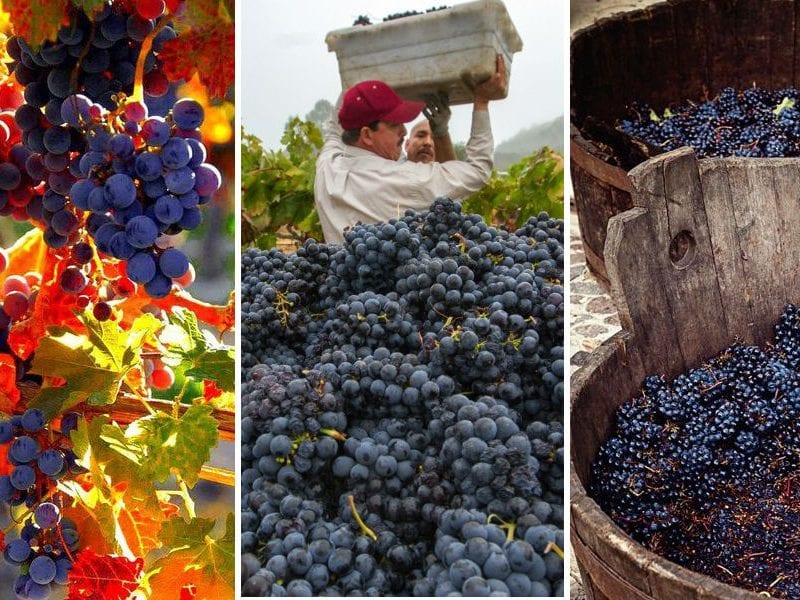
The flour, known as grape pomace flour, is produced from the skins and seeds left over after grapes are pressed for wine. According to the project, about 27.45 kilograms of flour can be obtained from 50 kilograms of grape pomace. The ingredient is rich in dietary fiber and antioxidants and could be incorporated into foods such as bread to improve the nutritional quality of everyday diets.
From science to commerce
The technology was originally developed in the laboratory by the university’s Center for Molecular Nutrition and Chronic Diseases under the leadership of researcher Atilio Rigotti. Valenzuela saw the commercial potential and decided to scale the innovation to reach a broader population.
HBU battling bad eating habits
One of the motivations behind the project is Chile’s high bread consumption and the need to improve dietary fiber intake. “In Chile we are major bread consumers, and that triggered my marketing instinct. I had read a 2009 study by the Ministry of Health highlighting dietary problems and risk factors. In Chile, people generally don’t consume the recommended five servings of vegetables and five servings of fruit per day. Just 20 grams of HBU can provide an equivalent nutritional contribution,” Valenzuela says.
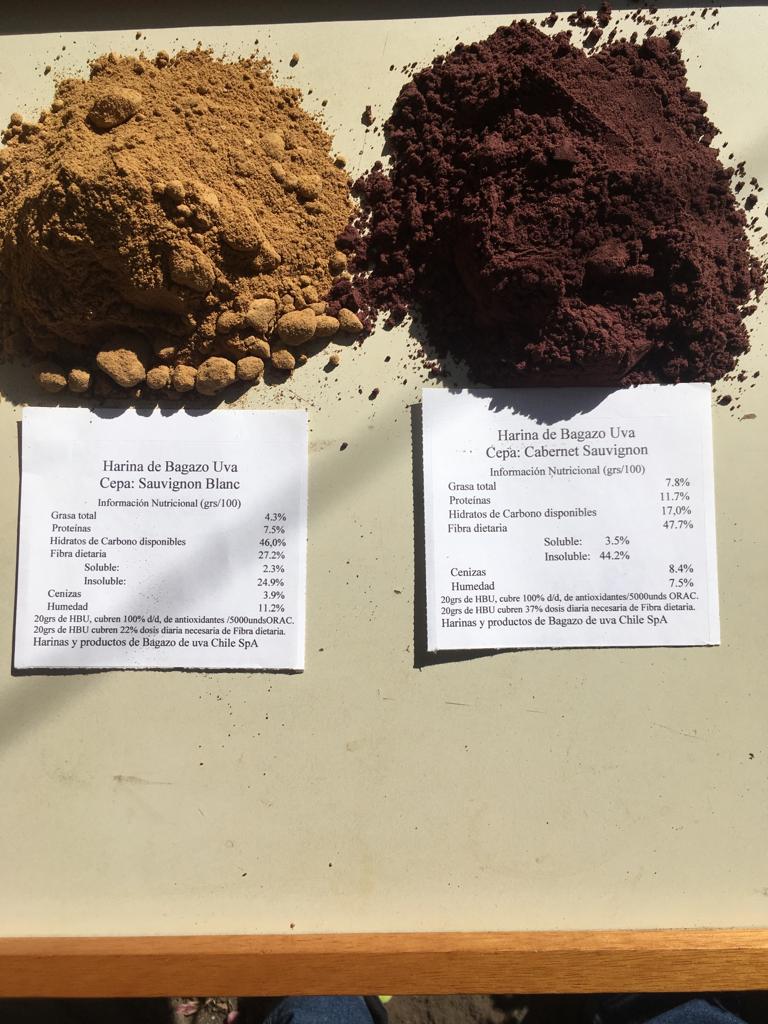
Studies cited in the project show that grape pomace flour contains significantly more fiber than common whole-grain flours. For example, while wheat whole-grain flour contains roughly 6.5–9% fiber, grape pomace flour can reach 25–50% fiber depending on the grape variety.
Environmental goal
Beyond nutrition, the initiative also has a strong environmental component. Large wineries such as Viña Concha y Toro generate massive amounts of grape residues every year. Most of this waste is used for composting, which still produces greenhouse gases. By converting these residues into food ingredients, the project aims to add value to winery by-products while reducing environmental impact.
Partnerships
This start-up has explored partnerships with wineries and bakeries, with the goal of incorporating the flour into bread and other baked goods made from grape varieties such as Cabernet Sauvignon and Sauvignon Blanc—two of the most widely produced grapes in Chile.